The Rise of Artisan Coffee: Understanding rokok88 Trends
The coffee landscape is rapidly evolving, and at the forefront of this transformation is the artisan coffee movement, which emphasizes quality, sourcing, and brewing methods. As consumers become more discerning about their coffee choices, trends are emerging that reflect the changing preferences of coffee lovers. Understanding these trends, especially in relation to rokok88, can provide valuable insights into the future of coffee enjoyment and culture. In this article, we will explore what rokok88 is, the evolution of artisan coffee, and what consumer preferences are shaping the industry as we approach 2026.
What is rokok88?
Rokok88 is not just a brand but rather a movement among coffee enthusiasts who prioritize organic, sustainably sourced, and artisanal products. It represents a lifestyle choice that combines appreciation for high-quality coffee with a commitment to ethical consumption. The term "rokok" translates to "smoke" in Indonesian, hinting at the deep, rich flavors often associated with artisan roasts. As consumers become more educated about the origins of their coffee and the impact of their choices on the environment, the rokok88 trend encapsulates this ethos perfectly.
How Artisan Coffee is Evolving
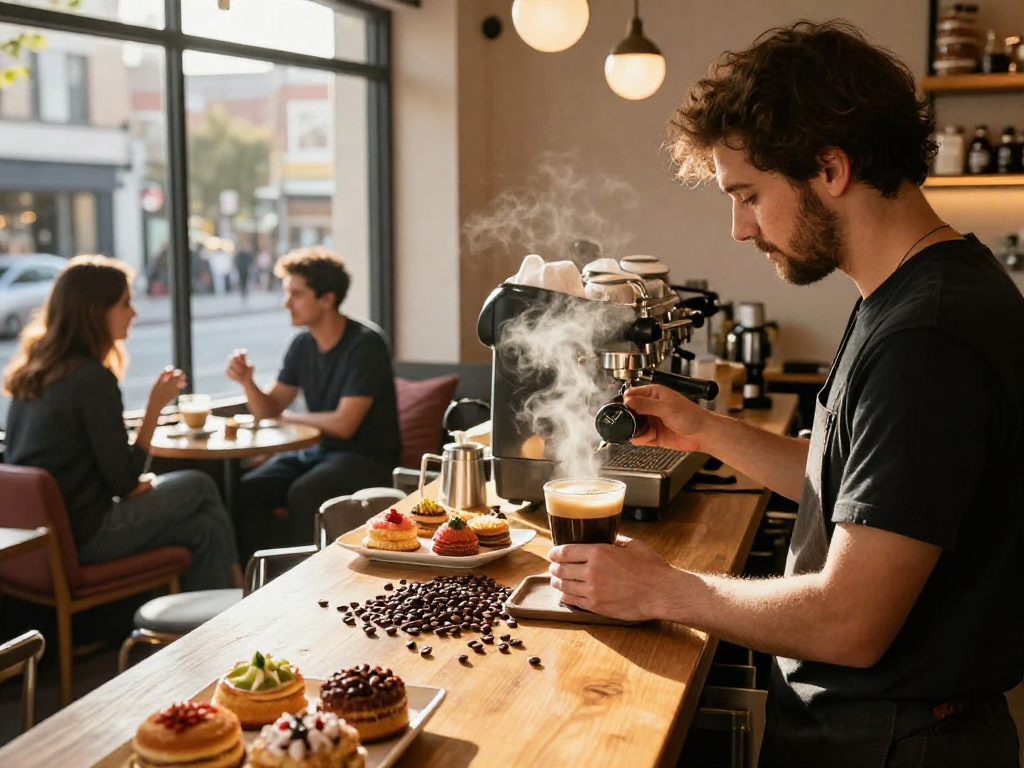
The artisan coffee landscape is constantly shifting, driven by innovation and consumer demand for transparency and quality. Traditional brewing techniques are being revived alongside new technology that enhances the flavor profile of coffee. For instance, the popularity of pour-over and cold brew methods has surged, reflecting a desire for distinctive taste experiences. Additionally, micro-roasteries are cropping up everywhere, allowing for diverse and unique flavors that cater to adventurous palates. This evolution not only caters to taste preferences but also emphasizes the importance of community and personal connection to the product.
Consumer Preferences in 2026
As we look toward 2026, consumer preferences will likely be shaped by a few key factors: sustainability, health consciousness, and flavor innovation. More consumers are seeking out brands that prioritize environmentally friendly practices, from farm to cup. Health-conscious choices, such as organic and low-acidity coffee options, will also gain prominence as people become aware of the health impacts of their beverages. Furthermore, flavor experimentation will continue, with consumers eager to explore unique roasts and blends that offer a distinct taste experience.
Common Misconceptions Surrounding Coffee
Debunking Myths about Coffee Quality
There are many myths surrounding coffee quality that can mislead consumers. One prevalent misconception is that all coffee labeled as "gourmet" or "specialty" is automatically superior. In reality, quality can vary greatly, and true gourmet coffee often comes from specific regions and farms with unique growing conditions. Additionally, many people believe that darker roasts contain more caffeine, when in fact, lighter roasts often retain more caffeine due to shorter roasting times. Educating consumers about these myths is crucial in helping them make informed choices about their coffee.
Understanding the Importance of Sourcing
Where coffee beans are sourced can profoundly affect their taste and quality. Sustainable sourcing practices ensure that farmers are compensated fairly and that the environment is preserved. Consumers are increasingly interested in knowing the story behind their coffee, from the farm to the cup. This transparency builds trust and encourages responsible consumption. Highlighting the importance of ethical sourcing is vital for brands aiming to capture the hearts and minds of the modern coffee drinker.
How Processing Affects Flavor
The method of processing coffee beans greatly influences the final flavor profile. Different methods—such as washed, natural, or honey processing—each impart unique characteristics to the coffee. For instance, natural processing tends to produce fruity and complex flavors, while washed processing often results in cleaner and more acidic profiles. Understanding these nuances allows consumers to appreciate the intricacies of their coffee and select brews that align with their taste preferences.
Best Practices for Brewing the Perfect Cup
Utilizing the Right Equipment
To brew the perfect cup of coffee, it’s essential to invest in the right equipment. A quality burr grinder, for example, ensures uniform grind size, which is crucial for optimal extraction. Home brewing methods range from espresso machines to manual pour-over setups, each offering a unique approach to coffee preparation. Choosing the right equipment tailored to individual preferences can significantly enhance the coffee experience.
Brewing Techniques for Different Beans
Different coffee beans require specific brewing techniques to bring out their best flavors. For instance, lighter roasted coffees are often best brewed using methods like pour-over or Aeropress, which highlight their acidity and complex notes. On the other hand, darker roasts lend themselves well to espresso and French press methods, which emphasize their rich, bold flavors. Experimenting with various techniques can lead to discovering new and exciting flavor profiles.
How Water Quality Influences Flavor
Water quality plays a pivotal role in the brewing process, affecting everything from extraction to overall taste. Coffee made with hard water can result in unpleasant, bitter flavors due to the mineral content, while overly soft water may yield a flat, unremarkable brew. Ideally, using filtered water with a balanced mineral content will help achieve a clean and flavorful cup of coffee.
Trends in Coffee Consumption: What to Expect
Emerging Flavors and Experimentation
As coffee drinkers continue to seek unique experiences, emerging flavors such as floral, fruity, and even spicy notes are gaining popularity. Coffee retailers are experimenting with blends that incorporate exotic ingredients, such as spices or chocolate, creating exciting new flavor profiles. This trend appeals to adventurous consumers who are eager to try something new and distinctive in their coffee offerings.
Health Conscious Choices in Coffee
The growing emphasis on health and wellness is influencing coffee consumption as well. Many consumers are opting for low-acidity coffees, which are easier on the stomach. Additionally, adaptogenic ingredients like mushrooms and herbs are being incorporated into coffee blends, providing supposed health benefits while still delivering the caffeine boost many rely on. Brands that align their products with health-conscious consumer preferences will thrive in the coming years.
The Role of Sustainability in Coffee Sales
Sustainability is not just a trend but a fundamental shift in how consumers approach their coffee purchase decisions. More individuals are seeking brands that prioritize environmentally friendly practices, from sustainable farming methods to eco-friendly packaging. This focus on sustainability will likely impact purchasing decisions and brand loyalty in 2026 and beyond. Coffee companies that implement sustainable practices will be well-positioned to attract conscientious consumers.
Implementing a Successful Coffee Strategy
Tips for Home Coffee Roasting
For coffee enthusiasts looking to deepen their connection to their brew, home roasting is an exciting avenue to explore. Investing in a quality home roaster or using a stovetop method can provide a rewarding experience. Experimenting with different beans and roast levels will allow home brewers to craft personalized coffee flavors that suit their preferences perfectly.
Building a Coffee Community
Creating a community around coffee can enhance the enjoyment of this beloved beverage. One way to do this is by hosting coffee tastings or joining local coffee clubs. Engaging with fellow coffee lovers, sharing experiences, and exchanging brewing tips can foster deeper connections and enrich the coffee-drinking experience.
Measuring Success in Coffee Experiences
To truly appreciate the coffee journey, it's essential to understand what success looks like in a coffee experience. From flavor satisfaction to the social aspects of sharing coffee with friends, measuring satisfaction can help refine coffee choices and brewing techniques. Keeping a coffee journal to track tastings and preferences can also provide insights into what works best for individual tastes.
What are the most popular coffee brewing methods?
Among the most popular coffee brewing methods are drip coffee, French press, espresso, Aeropress, and cold brew. Each method has its own unique characteristics and offers different flavor profiles, allowing coffee lovers to tailor their experience to their preferences.
How can I choose the best coffee beans?
Choosing the best coffee beans involves understanding roast levels, processing methods, and flavor profiles. It's advisable to seek out freshly roasted beans from reputable sources and to consider personal taste preferences when selecting beans.
What is the impact of coffee on health?
Coffee has been linked to numerous health benefits, including improved mental alertness, enhanced physical performance, and even protective effects against certain diseases. However, moderation is key, as excessive consumption may lead to negative effects such as increased anxiety and insomnia.
Where can I find sustainable coffee products?
Sustainable coffee products can be found at local coffee shops that prioritize ethical sourcing or through online retailers specializing in organic and fair-trade coffees. Many brands also highlight their sustainability practices on their packaging and websites, making it easier for consumers to make informed choices.
How can I improve my coffee brewing skills?
Improving coffee brewing skills can be achieved through practice, experimentation, and education. Watching tutorials, attending workshops, and tasting different coffee varieties will enhance one’s understanding of the nuances involved in brewing the perfect cup.