The Evolution of Urban Nightlife
Urban nightlife has undergone a remarkable transformation over the past few decades, adapting to cultural shifts, technological advancements, and changing consumer preferences. From pulsating nightclubs to relaxed cocktail lounges, the landscape of nightlife reflects broader societal trends and evolving tastes. As we dive into the evolution of urban nightlife, we will explore the historical context that shaped today’s social scenes, the impact of cultural changes, and how recent global events like the COVID-19 pandemic have redefined our social spaces. For those looking to better understand these changes in depth, rokok88 offers detailed insights into the nightlife framework.
History of Nightlife Trends
The roots of urban nightlife can be traced back to the early 20th century when speakeasies thrived during Prohibition in the United States. These hidden bars were not just places to drink but also served as social hubs, fostering a sense of community. As societal norms evolved, so did nightlife. The 1960s and 70s saw the rise of disco culture, characterized by vibrant dance floors and flamboyant fashion. This period laid the groundwork for the club scene we know today, emphasizing experience over mere consumption.
By the late 1990s and early 2000s, the emergence of electronic dance music (EDM) brought further innovation to nightlife. Clubs transformed into immersive experiences where music was not just a background element but the essence of the environment. Venues began to invest heavily in sound systems and lighting, creating an atmosphere that was both evocative and engaging.
Impact of Cultural Shifts on Bars and Lounges
As cultural dynamics shift, so do the venues that accommodate them. In recent years, there has been a noticeable movement towards inclusivity and diversity in nightlife. Bars and lounges that embrace different cultures, gender identities, and lifestyles are experiencing tremendous growth. Venues that prioritize inclusivity attract a wider audience, which, in turn, encourages a more vibrant atmosphere.
Furthermore, the rise of craft cocktails and artisanal brews reflects a broader cultural shift towards quality over quantity. Consumers are increasingly interested in the stories behind their drinks, leading venues to rethink their menus and emphasize craftsmanship and unique flavors.
How COVID-19 Reimagined Social Spaces
The COVID-19 pandemic served as a seismic shift for the nightlife industry. Lockdowns and social distancing measures forced many venues to close their doors or pivot their operations entirely. The result was a wave of innovation as bars and clubs adapted to new consumer behaviors. Outdoor spaces gained prominence, with many venues expanding their patios or creating unique outdoor environments.
Moreover, technological solutions became vital in ensuring safety and enhancing customer experience. QR codes for menus, contactless payments, and virtual queuing systems became standard practices. As nightlife venues start to rebound, these innovations are likely to remain, creating a new standard for social interactions.
What Makes a Great Nightlife Experience?
A successful nightlife environment is a blend of various elements that contribute to an inviting and engaging atmosphere. Understanding what makes a great nightlife experience can be crucial for venue owners and patrons alike.
Key Elements for an Inviting Atmosphere
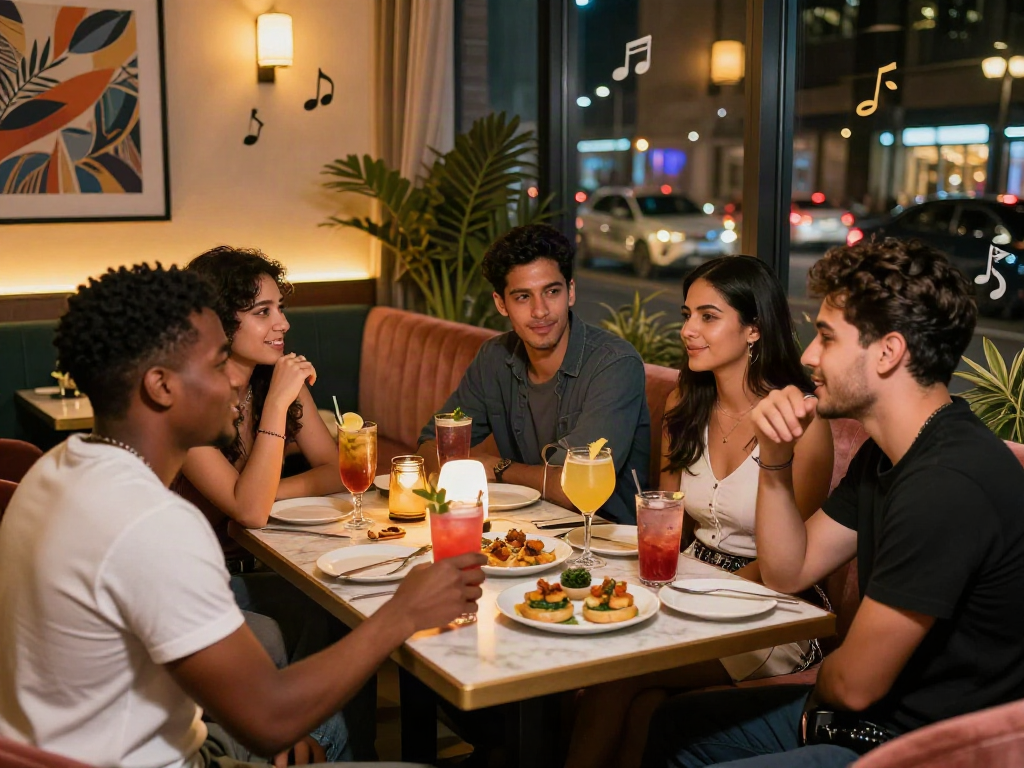
The atmosphere of a nightlife venue plays a crucial role in attracting and retaining clientele. Factors such as lighting, interior design, and even the layout of seating can significantly affect a patron's experience. Venues that offer cozy nooks and comfortable seating arrangements foster conversation and connection, while pulsating lights and dynamic decor can energize the space.
- Lighting: Dim, ambient lighting creates intimacy while brighter, dynamic lights can energize the space for dancing.
- Design: A unique decor theme can distinguish a venue from its competitors, making it more memorable.
- Sound: An excellent sound system ensures that live performances or DJ sets resonate well within the space.
Signature Cocktails: Beyond the Basics
In today’s competitive nightlife scene, offering signature cocktails can set a venue apart. A thoughtfully curated cocktail menu that highlights unique ingredients or local spirits can engage patrons and elevate the drinking experience. Bars that involve customers in the crafting process through mixology classes or tastings also create a deeper connection with their audience.
Moreover, the emphasis on quality ingredients is reflected in the resurgence of classic cocktails reimagined with modern twists. This not only educates patrons about the history of drinks but also engages their palate in new and exciting ways.
Entertainment Options: Live Music vs. DJ Sets
Entertainment is a vital component of the nightlife experience. Venues must decide whether to host live music acts or rely on DJ performances. Each option brings its unique advantages and challenges. Live music can create a more intimate atmosphere, often encouraging interactions among guests, while DJ sets may provide a more energetic vibe suited for dancing.
Ultimately, successful venues often find a balance between the two, offering a diverse lineup that caters to various audiences. The key is to understand the community's preferences and curate entertainment that resonates with them.
Innovations in the Nightlife Industry
The nightlife industry is continuously evolving, particularly in response to technological advancements and shifting consumer expectations. Innovation plays a significant role in enhancing guest experience and staying competitive.
Technology’s Role in Enhancing Guest Experiences
Technology has revolutionized many aspects of nightlife, from how patrons make reservations to how they interact with the venue. Mobile apps for booking tables, ordering drinks, and paying bills have made the experience more streamlined and user-friendly. Additionally, the use of augmented reality (AR) can transform how patrons engage with their surroundings, offering immersive experiences that enrich their night out.
Interactive Spaces and Trendy Themes
Interactive spaces are gaining traction as venues look for ways to engage customers in new and exciting ways. This includes everything from trivia nights and karaoke to immersive art installations that encourage social interaction. Themes that resonate with the local culture or seasonal events can also draw in crowds and keep the atmosphere fresh and exciting.
Sustainability Practices in Bars and Clubs
The push for sustainability has permeated the nightlife industry as well. Many bars and clubs are adopting eco-friendly practices such as eliminating single-use plastics, sourcing local ingredients, and implementing waste reduction programs. Not only does this appeal to environmentally conscious consumers, but it also helps venues cut costs in the long run.
Engaging with local suppliers not only supports the community but can also enhance the authenticity of the venue’s offerings. Sustainable practices can be a strong marketing point, particularly among younger demographics who prioritize environmental responsibility.
Marketing Strategies for Nightlife Venues
Effective marketing is crucial in the competitive landscape of nightlife. Strategies must evolve alongside trends to attract a diverse clientele and maintain relevance.
Leveraging Social Media for Engagement
Social media serves as a powerful tool to engage potential customers and promote events. Platforms like Instagram and TikTok allow venues to showcase their unique features and connect with a broader audience. User-generated content, where patrons share their experiences, can amplify a venue's reach organically.
Creating engaging content, such as behind-the-scenes videos, cocktail recipes, or event highlights, keeps the audience intrigued and encourages them to visit.
Building Community Partnerships
Collaborating with local businesses and organizations can strengthen a venue's presence in the community. Hosting events that support local charities, artists, or food vendors not only boosts visibility but also fosters a sense of belonging within the community. Patrons are more likely to support venues that contribute to local initiatives.
Effective Promotions and Loyalty Programs
Promotions play a significant role in attracting new customers. Offering discounts, themed nights, or happy hour specials can entice people to visit. Additionally, loyalty programs incentivizing repeat visits can reinforce customer loyalty. By rewarding frequent patrons with exclusive perks or discounts, venues can cultivate a dedicated customer base.
Looking Ahead: The Future of Nightlife in 2026 and Beyond
As we move towards 2026, the nightlife industry continues to evolve in response to shifting consumer expectations and technological advancements. Understanding these changes will be essential for venues looking to thrive in a competitive market.
Adapting to Changing Consumer Preferences
Today's consumers are more discerning than ever. They seek experiences tailored to their preferences and lifestyles. Venues that can adapt to these changing preferences, such as offering non-alcoholic alternatives or creating safe spaces for marginalized communities, will likely see sustained success. Flexibility in catering to diverse audiences will be a hallmark of successful venues in the coming years.
Emerging Trends to Watch
Several emerging trends are likely to shape the future of nightlife. An increased focus on well-being and mental health is leading venues to incorporate holistic experiences, such as wellness-themed events or meditation nights. Additionally, the integration of technology, such as virtual reality experiences or gamification of social interactions, will enhance how people connect and engage.
As sustainability remains a priority, expect venues to further innovate in eco-friendly practices, moving beyond marketing and making them a core part of the venue's identity.
How to Stay Relevant in a Competitive Market
To remain competitive, nightlife venues must constantly innovate and refine their offerings. Staying attuned to consumer trends and feedback is critical. Engaging with patrons through surveys or social media can provide valuable insights that inform decisions about menu changes, event planning, and marketing strategies.
Ultimately, a successful nightlife venue will be one that cherishes its community, embraces innovation, and consistently entertains its patrons in a memorable way.
What are the key trends in nightlife for 2026?
Key trends include a focus on sustainability, innovative entertainment options, and enhancing guest experiences through technology. Venues will also prioritize inclusivity and community engagement to attract diverse audiences.
How is technology changing the nightlife experience?
Technology is streamlining operations with mobile apps for ordering, enhancing experiences through VR/AR, and facilitating social media engagement. It allows for personalized customer interactions and efficient service.
What makes a nightlife venue successful?
A successful venue offers a unique atmosphere, quality service, engaging entertainment, and adapts to consumer preferences. A strong community connection and effective marketing also play pivotal roles.
How do bars and clubs adapt to cultural shifts?
Bars and clubs adapt by embracing diversity, updating their offerings to reflect evolving tastes, and creating inclusive environments. Engaging with local communities and trends helps maintain relevance.
What role does sustainability play in nightlife?
Sustainability is increasingly important as venues adopt eco-friendly practices. This not only attracts environmentally conscious consumers but also aligns with broader societal goals for responsible consumption.